Jam Bus: Sandfall is a sort puzzle game by Nova Games, released in June 2026 and it has already scaled to over $90K in daily IAP revenue, according to AppMagic.
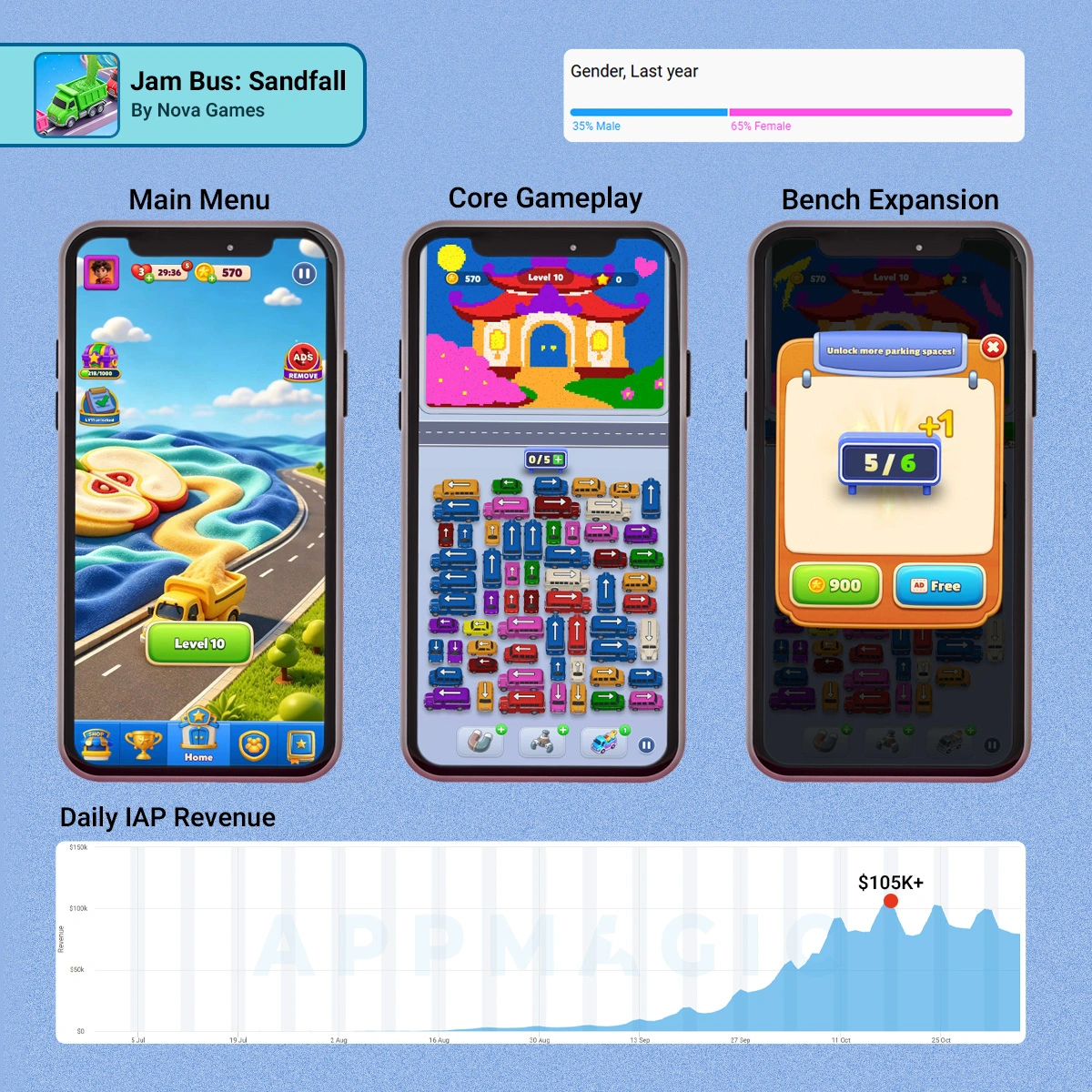
This is the latest game to break into the top 10 sort puzzle games by monthly IAP revenue, already climbing to 9th place in the subgenre.
So, let’s take a closer look at the design behind this game.
Proven Combinations
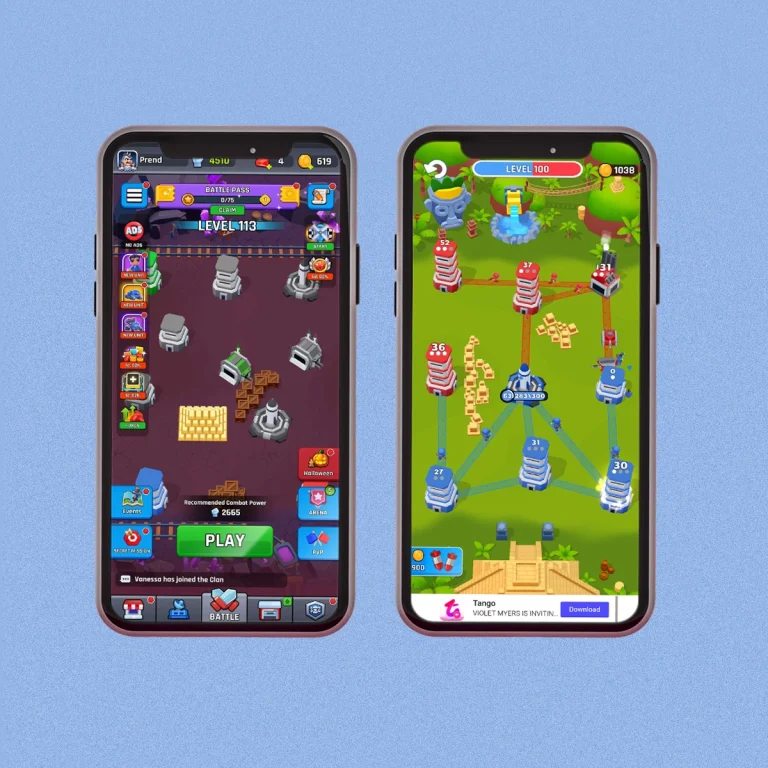
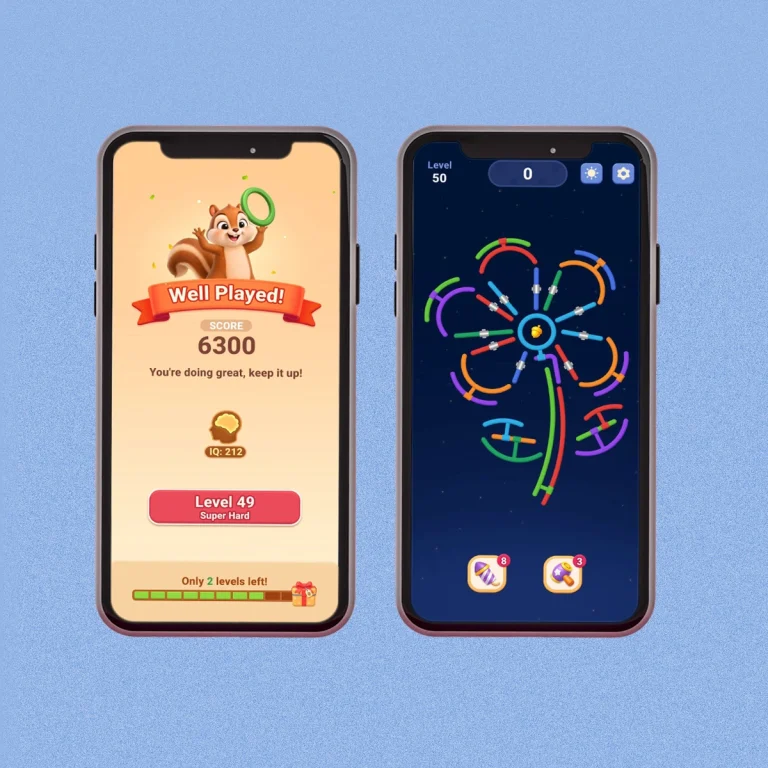
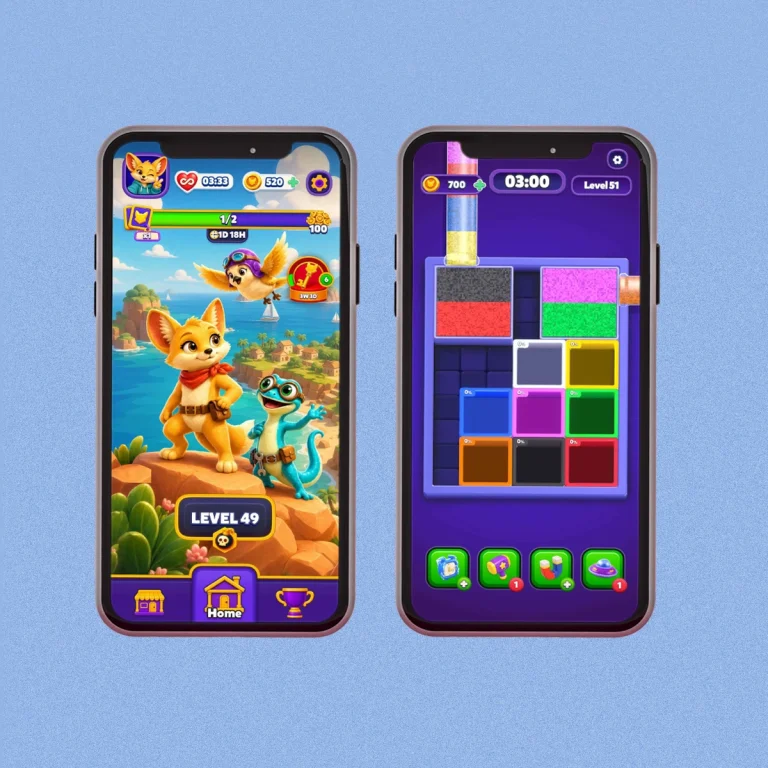
The game combines the pixelated, physics-based sand visuals of Voodoo’s Sand Loop with the bus puzzle concept of iKame Global’s Bus Out, bringing together two familiar puzzle mechanics. However, the looping conveyor belt from Sand Loop is replaced with a looping road, while buses of different sizes add another layer of depth. Players must select buses based on not only their colors but also on their sizes, considering the available sand and the current puzzle situation.
Slow Progression
The game features deterministic levels, but they tend to take longer to complete compared to other similar hybrid-casual puzzles. While other hybrid-casual puzzle games using similar sand physics, such as Sand Loop and Sand Blocks, smooth out this experience with faster sand drops and auto-filling mechanics, this game requires more precise filling. This results in longer waiting times, particularly toward the end of levels.
However, this slower and sometimes tedious experience is somewhat balanced by more forgiving fail states. Players can expand their bench space up to 10 slots, giving them more room to recover from mistakes. And with levels taking longer to complete, players may feel more invested in finishing them rather than giving up. Additionally, the game also features boosters and meta systems such as leaderboards, teams, and collections, alongside LiveOps events that gradually unlock as players progress.
Hybrid Monetization
The game uses both IAA and IAP monetization. Interstitial ads are delayed until level 8, while RV ads are primarily used to expand bench space, both through the expansion option during the gameplay and on the fail screen. On the IAP side, the game features an in-game shop offering various bundles, soft currency packs, and ad-removal offers. Additional booster purchases are tied exclusively to soft currency spending, indirectly encouraging players to make IAPs.
What do you think of this emerging trend in puzzle games that demand more patience from players through slower gameplay? Could this approach work in the long run?
Original Post: Kavindu Priyanath-LinkedIn